Complete Guide to Lighting Options
Proper lighting isn’t just about making things brighter; it’s about making your daily tasks easier and more comfortable. Over the years, we’ve seen countless instances where symptoms caused by conditions such as macular degeneration are relieved simply by providing the right lighting where it’s needed. Oddly enough, it’s a solution that’s often overlooked.
The type of lighting that’s best for you really depends on the symptoms you’re living with. Whether you need a large area illuminated or a focused light, we offer multiple options. If you don’t know where to start, a low vision therapist can help you decide which solution is right for you.
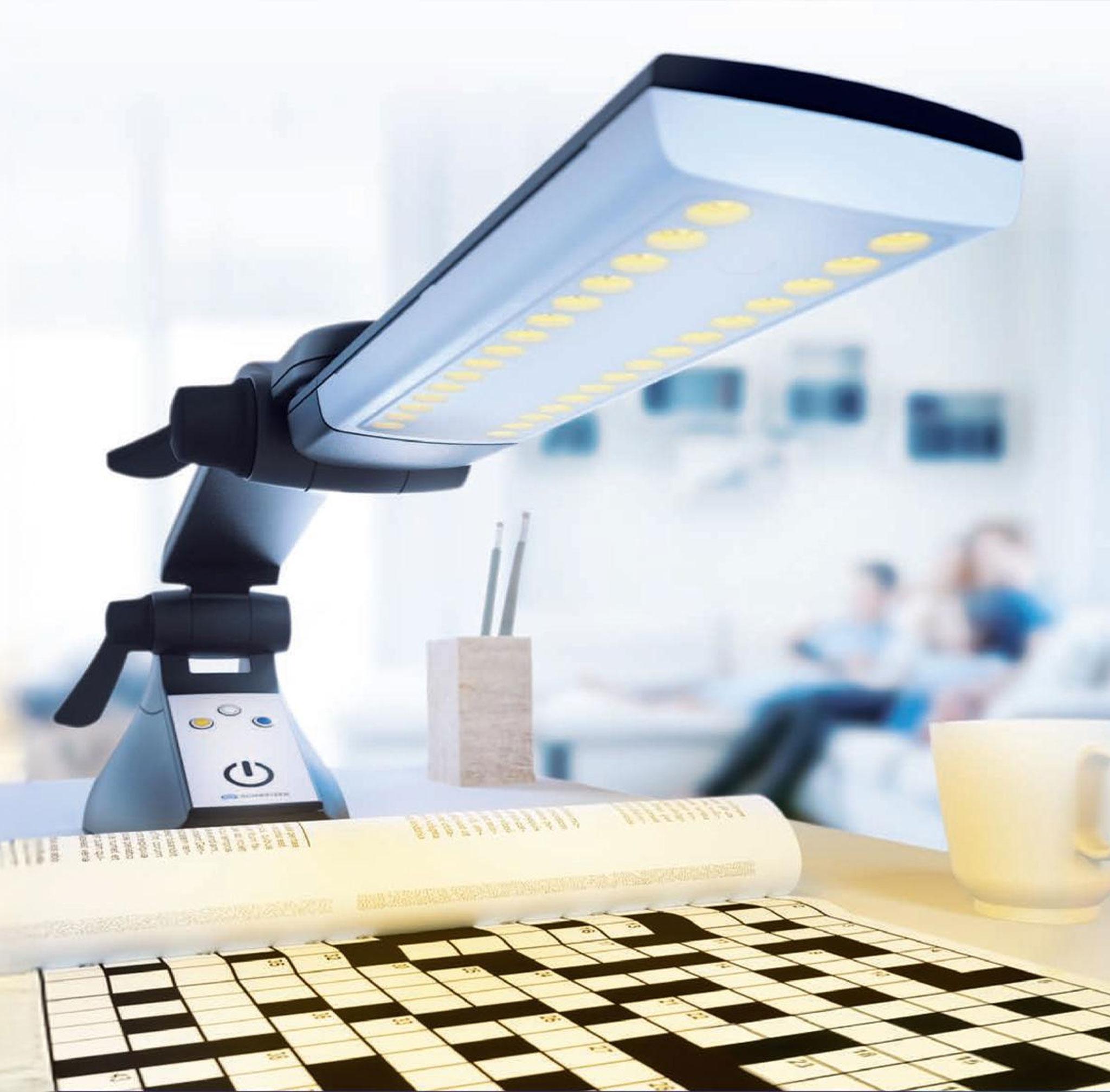
How Lighting Helps Low Vision Patients
If you’re having trouble reading or performing detailed tasks such as cross-stitching, painting, or working on puzzles, it’s worth considering if proper lighting can help you see better. The right choice of lighting can significantly improve your quality of life by offering enhanced contrast, reduced glare, task-specific focus, and stable visibility to let you get back to the things you enjoy doing.
Lighting Options for Low Vision
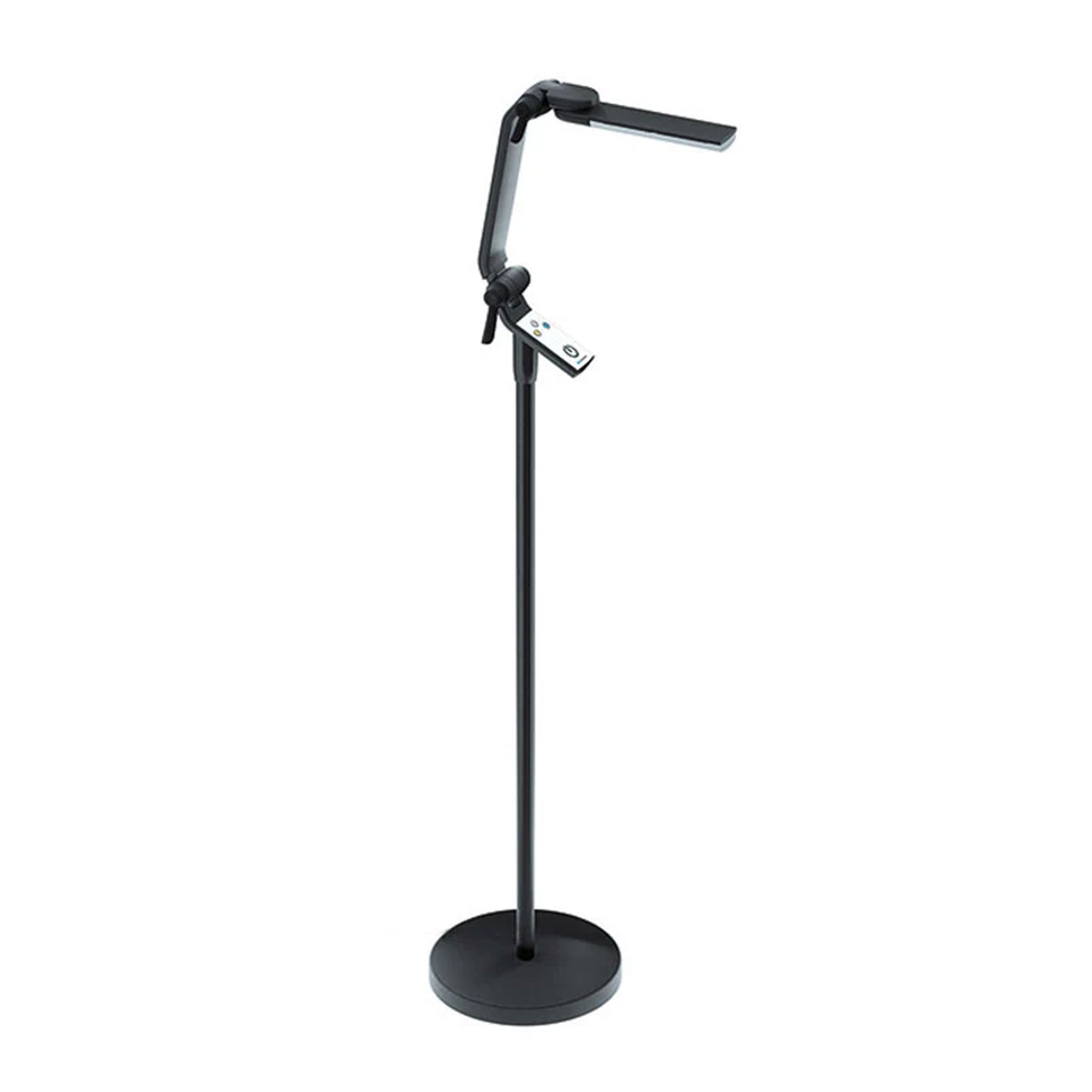
Floor Lamps
Floor lamps are ideal for illuminating larger spaces, offering a blend of practical functionality and versatile style. They deliver ample lighting to drastically reduce eye strain and improve overall visibility, featuring easily adjustable designs so you can direct powerful illumination exactly where it's needed most.
Browse Floor Lamps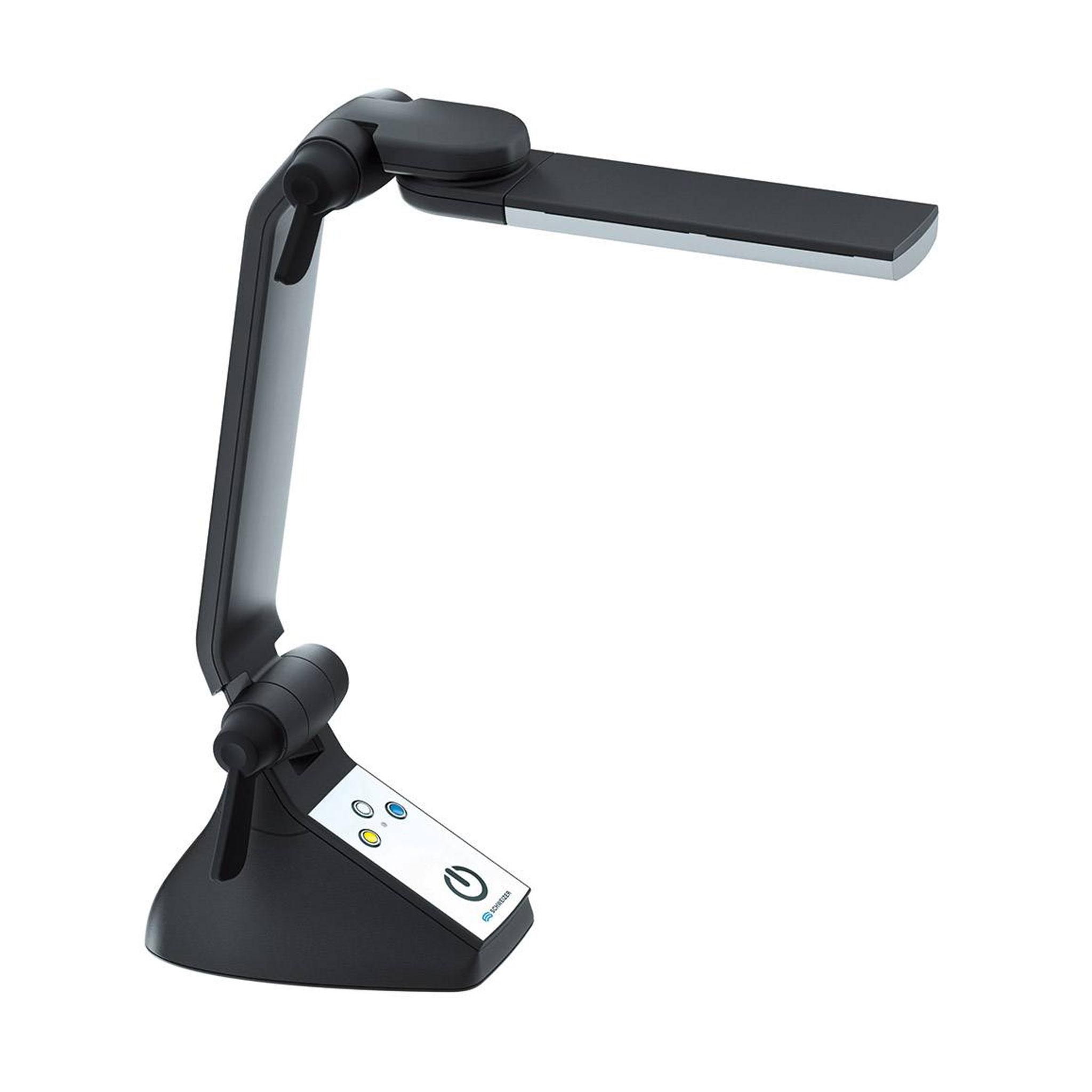
Desktop Lamps
A reliable desk lamp puts bright, focused illumination exactly where you need it to cut through shadows while working, studying, or engaging in a hobby. These compact, highly flexible setups are easy to position for optimal viewing, offering energy-efficient LED choices and highly portable rechargeable options that let you move them freely without fussing with plugs.
Browse Desktop Lamps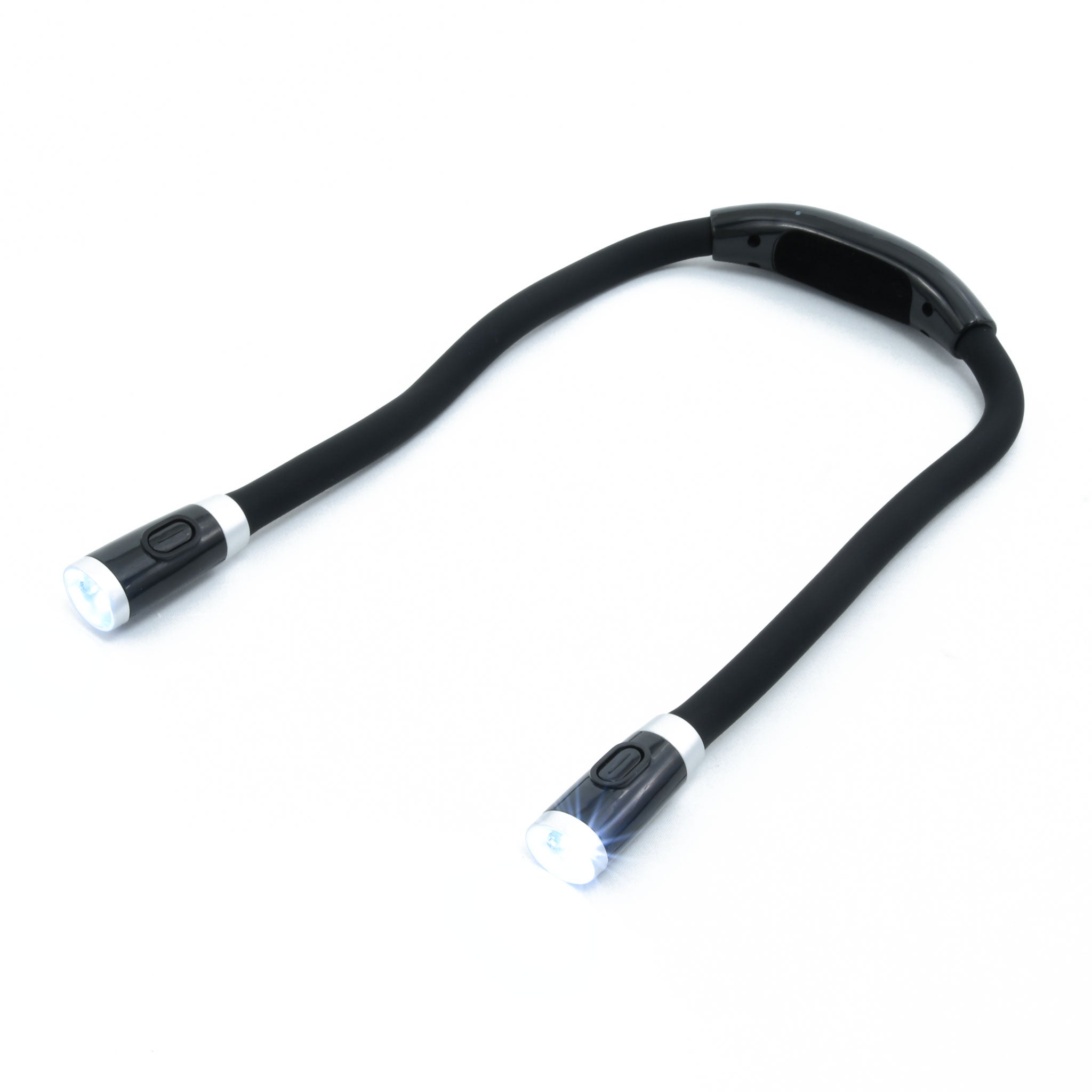
Hands-Free Lighting
For tasks that require both hands, hands-free lighting options like headlamps or clip-on fixtures offer unmatched freedom and flexibility over stationary units. Built to be user-friendly and incredibly lightweight, these versatile lights follow your natural line of sight to perfectly illuminate your workspace without restricting your movement.
Browse Hands-Free Lighting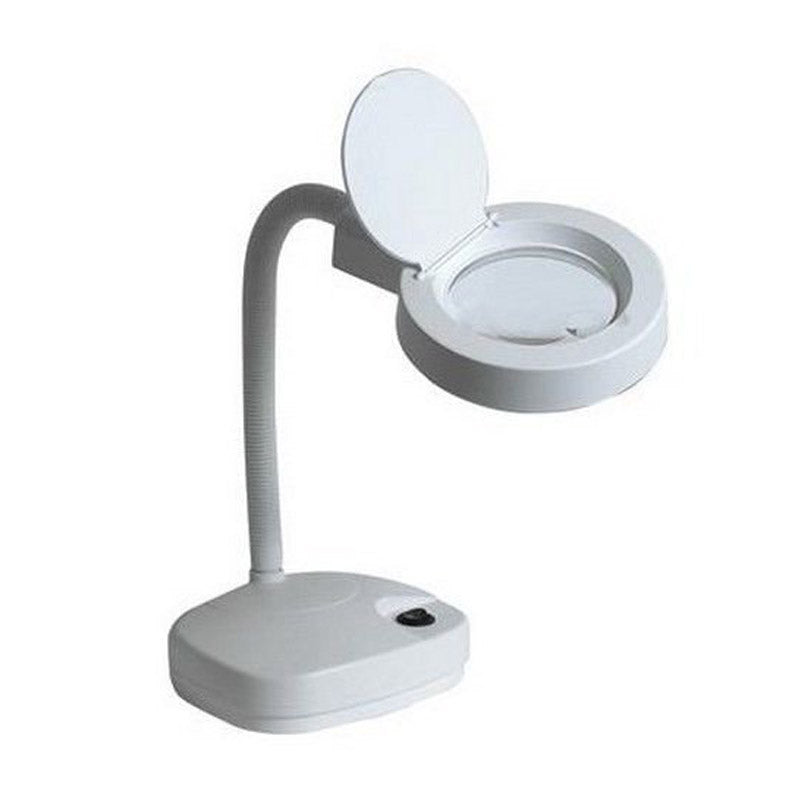
Magnification Lamps
When fine details remain elusive even under bright conditions, magnification lighting combines high-intensity illumination with precision optics to bring the world back into focus. These tools eliminate the shadows caused by handheld magnifiers, providing a completely hands-free viewing sweet spot that significantly reduces eye fatigue during intricate hobbies or reading.
Browse Magnification Lamps