FOUNDATIONS OF VISION
Development of Vision from Birth
Vision is an individual, lifelong process that evolves with each person and it’s far more complex than simply measuring 20/20 on an eye chart. Yes, we share similar milestones, but your vision is yours alone. It grows with you and shapes how you see and interact with the world.
THE FIRST 6 MONTHS OF YOUR VISION
The Newborn Stage - Legally BlindWhen you’re born, your vision is about 20/400. You’re legally blind by any standard. You can only see about 8-10 inches from your face; just far enough to find your first food source. Color vision doesn’t exist yet, so your world is mostly shades of gray. |  |
Four Weeks - Turning Toward LightAt four weeks, your vision starts to wake up. Babies turn toward light sources and begin tracking objects side to side. That’s why a simple mobile above the crib is so fascinating; it gently trains the eyes and brain to work together. |  |
2-3 Months - Faces, Hands and SurpriseBy two or three months, babies start recognizing faces. One of the sweetest sights is a baby staring at their own hands, shocked that they exist and move. Vertical tracking kicks in too, so they follow motion up and down as well as side to side. |  |
3-6 Months - The World Gets BiggerBetween three and six months, vision expands beyond the immediate bubble. Babies can focus across the room and love mirrors. They watch themselves move and start coordinating what they see with what they do. Eyes begin to move independently from the head, which is a big step forward. | 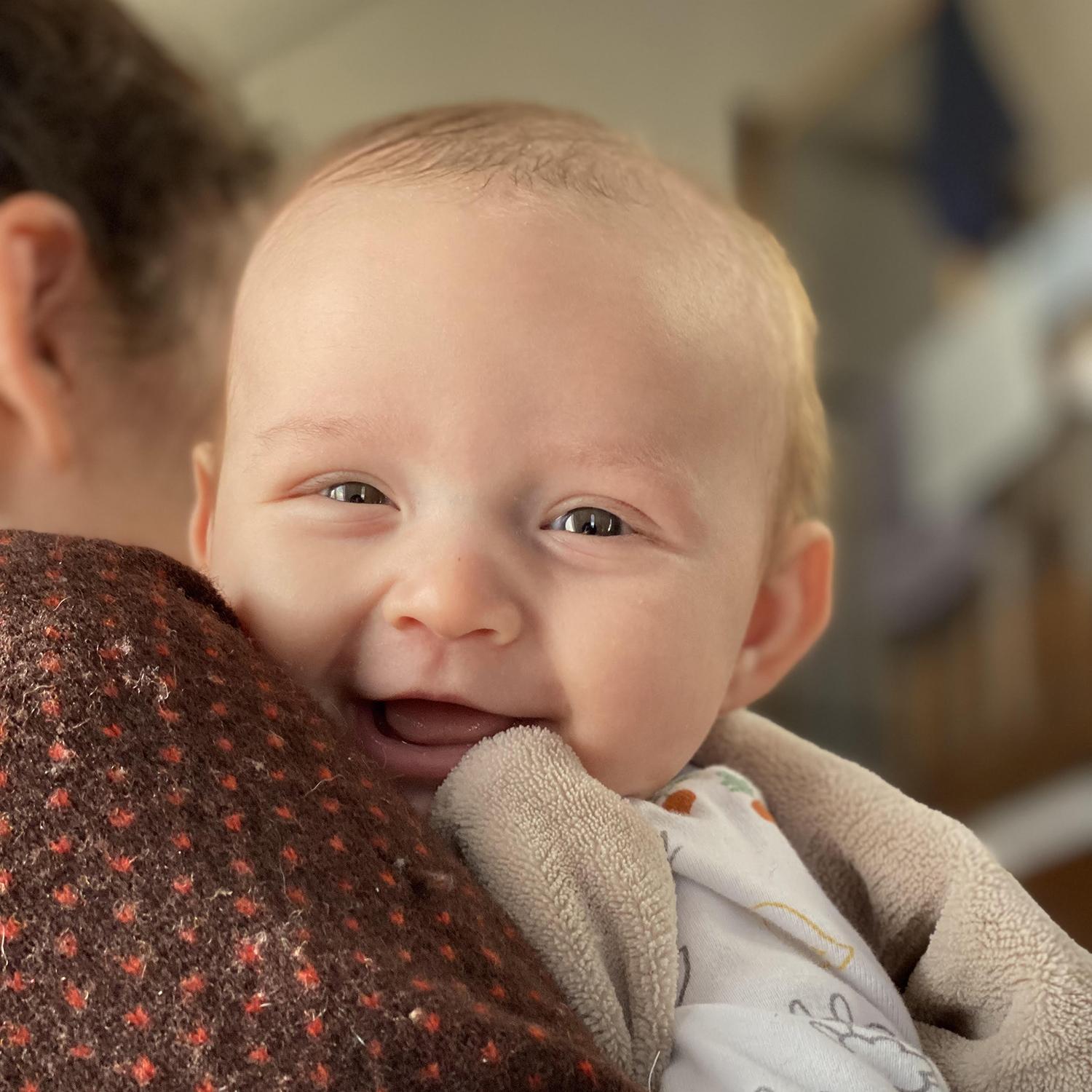 |
Six Months - Perfect Vision?At around six months, many babies reach 20/20 acuity. So, does that mean vision is fully developed? Not even close. Achieving 20/20 just means the eyes can see clearly—but real-world vision is about what you do with what you see. | 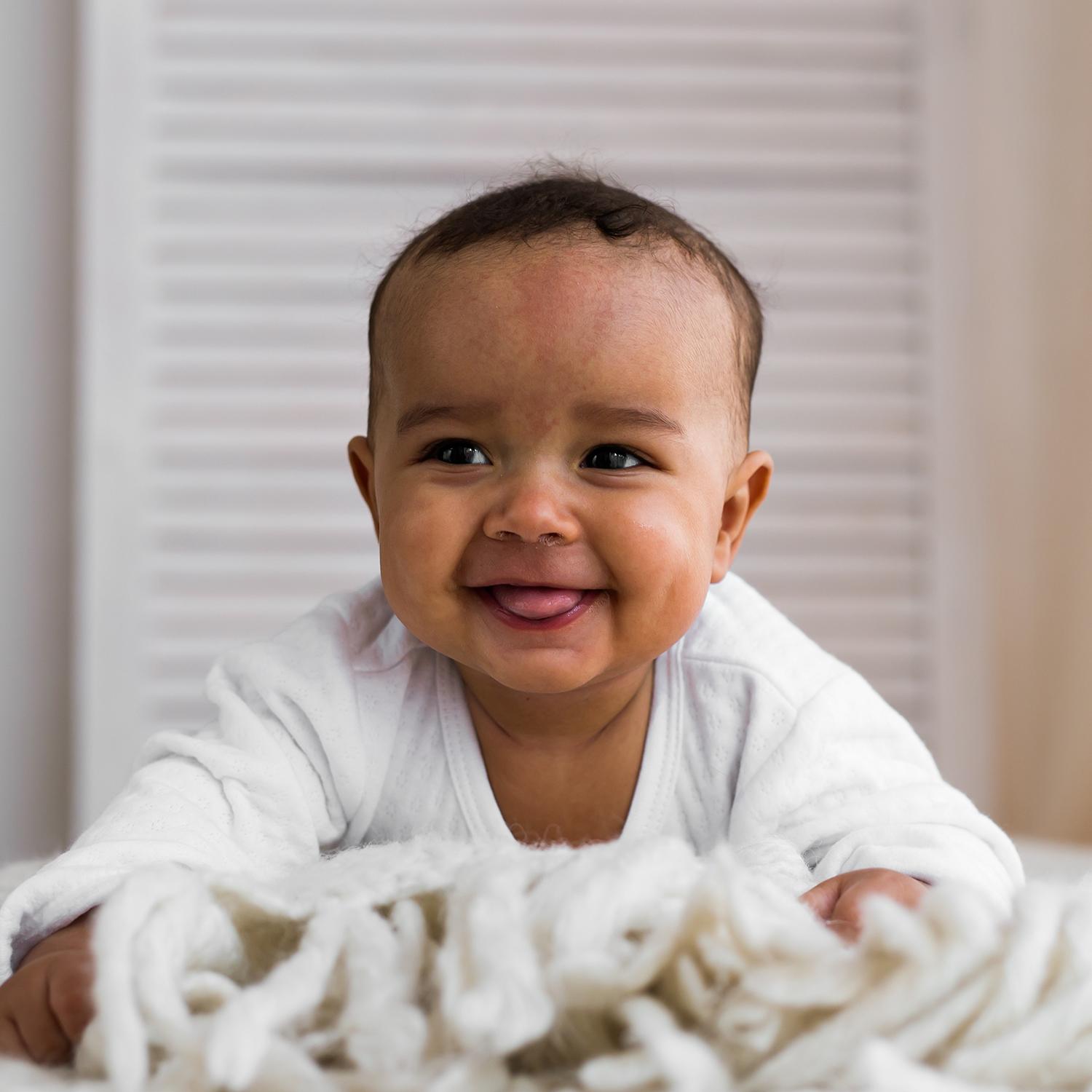 |
YOUR VISION BEYOND 6-MONTHS-OLD
Beyond 20/20 — Vision Becomes Function
After six months, vision development is about connecting sight with action. Crawling, playing peekaboo, and copying sounds all build coordination between the eyes, brain, and body. Athletes, like hockey goalies, require lightning-fast coordination that goes far beyond reading letters on a chart.
Vision Steers Your Body
Grabbing an object, catching a ball, and reading music depend on refined visual skills. Reaching out and gripping something you see is a learned skill, not an automatic one.
Why the Standard Eye Exam Isn’t Enough
Most standard eye exams measure you against a six-month-old standard: seeing clearly at 20 feet. Real vision includes depth, tracking, teaming, and processing—skills that evolve as you grow. These exams often miss how well your eyes work together or how they guide your body, which is critical if you struggle with headaches or concussion symptoms.
Vision Is Personal
How we use our vision is shaped by our lives. The image of an object might be the same for two people, but the brain’s response is unique based on individual experience.
Modern Life, Modern Problems
Nearsightedness (myopia) is more common now because our eyes adapt to staring at screens 18 inches away. Our vision adapts to our lifestyle, but sometimes it skips steps, leading to trouble focusing or coordinating the eyes.
So, What’s Next?
Vision therapy and specialized lenses can help fill in missing pieces, guiding your eyes and brain back into balance. Your vision is about how well your eyes, brain, and body work together to help you live life to the fullest.
Have a question about how your vision has developed over time?