TBI Tinted Glasses – Calm


Product Description
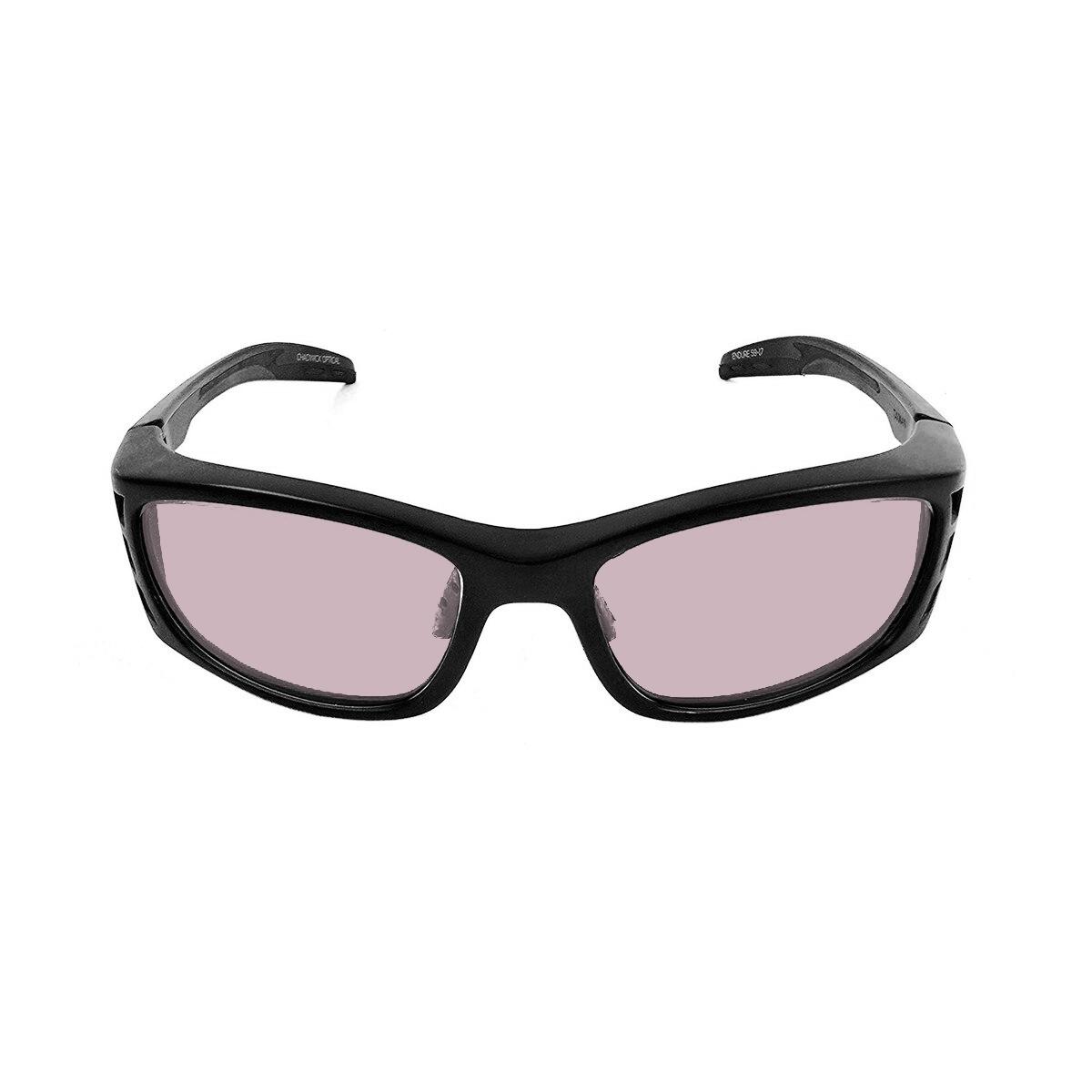
The "Calm" TBI Tinted Glasses are designed for individuals with traumatic brain injury (TBI), offering relief from light sensitivity and visual discomfort. These glasses filter out specific light wavelengths that can cause strain, headaches, and other TBI symptoms, allowing wearers to perform daily tasks with greater ease.
Frame Size: 51/18/136
Inner Frame Width: 131mm
Ask Chadwick: How Do I Know a Frame Will Fit My Face?
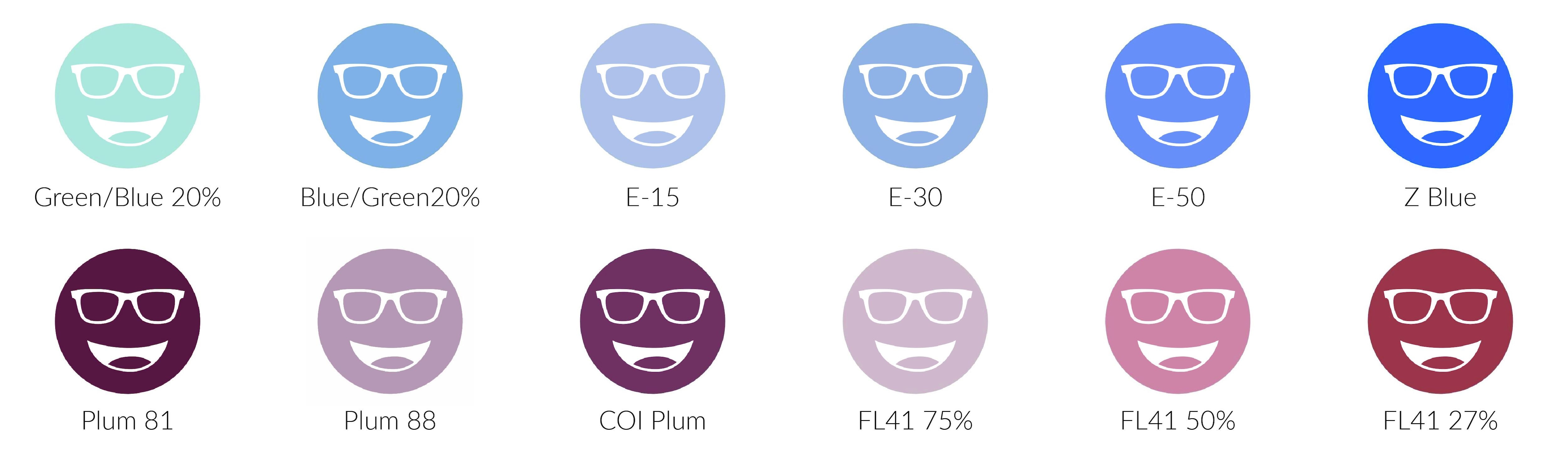
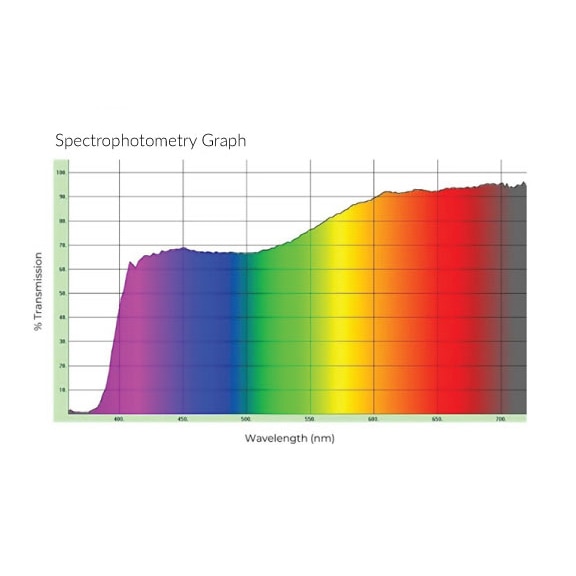
For more information on the attributes of each color, including spectrophotometry and light transmittance charts, click on the details tab above..
Need a custom TBI tint or prescription for your patient? Chadwick Optical is an optical lab that specializes in precision tinting and difficult prescriptions. Click here to visit the main Chadwick Optical website.
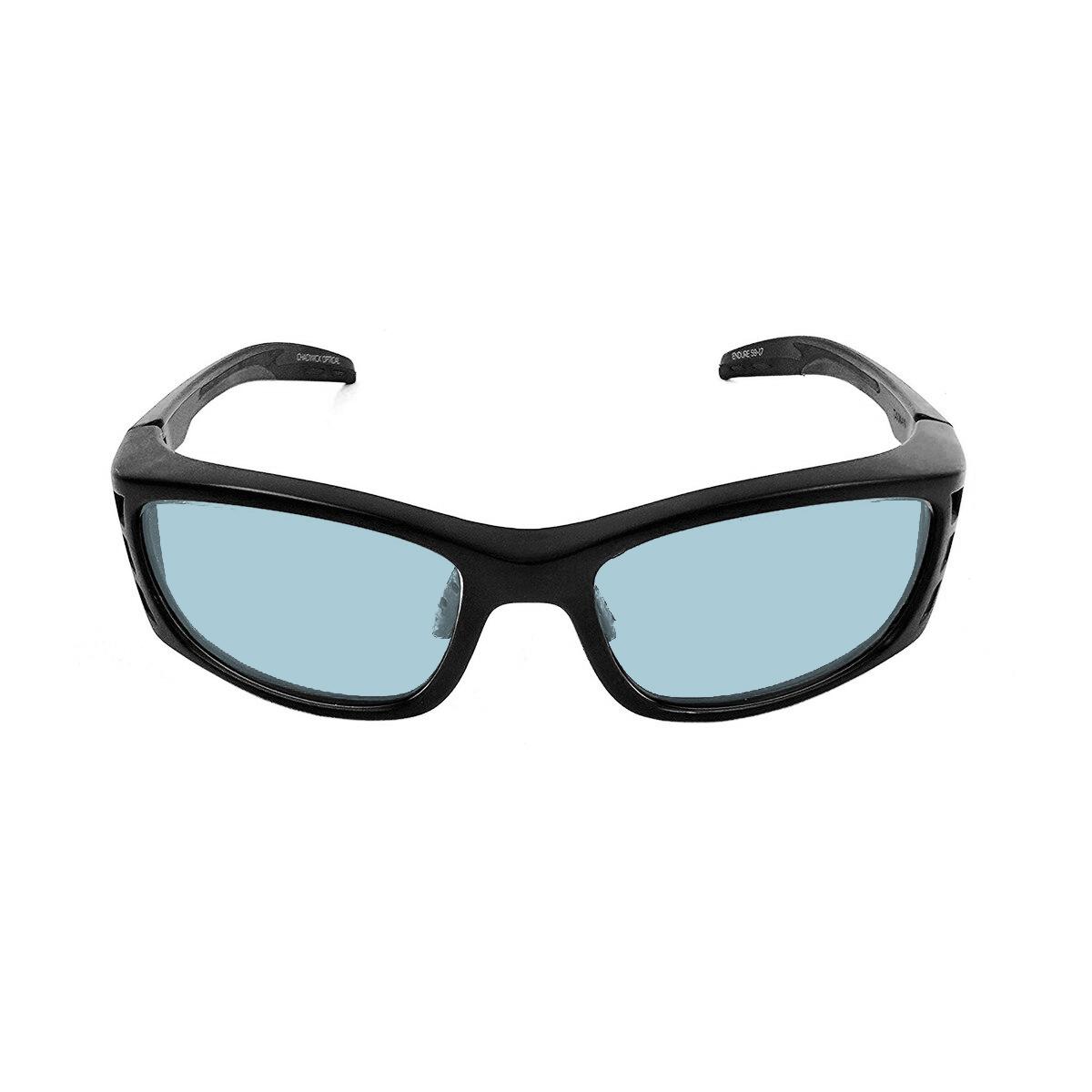
PLEASE NOTE: The images shown are stock photos - final tint color may not match website color. These glasses are custom-made in our lab. Please allow up to 14 days for production and shipping.
Details
Helpful Videos (open in a new window):
- How Can Tinted Eyewear Help With TBI & Concussion Recovery?
- What Are The Benefits of Using Tinted Glasses to Manage Photophobia?
- How Do Tints Fit Into The Broader Rehab Plan for Traumatic Brain Injury?
Specifications:
Green/Blue 20%
Developed by Dr. Carl Garbus based on his extensive neuro-optometric practice, these 20% tints are frequently used to treat visual dysfunction following a traumatic brain injury or concussion. They selectively filter light frequencies to calm the nervous system and alleviate post-trauma symptoms like visual dizziness and severe photophobia.
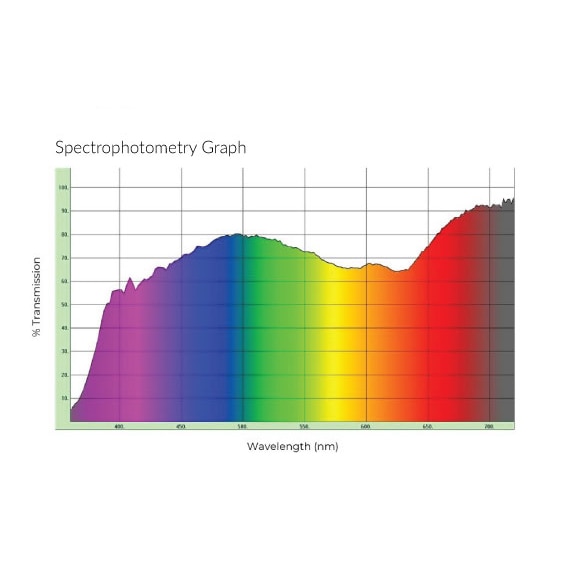
Blue/Green 20%
Developed by Dr. Carl Garbus based on his extensive neuro-optometric practice, these 20% tints are frequently used to treat visual dysfunction following a traumatic brain injury or concussion. They selectively filter light frequencies to calm the nervous system and alleviate post-trauma symptoms like visual dizziness and severe photophobia.
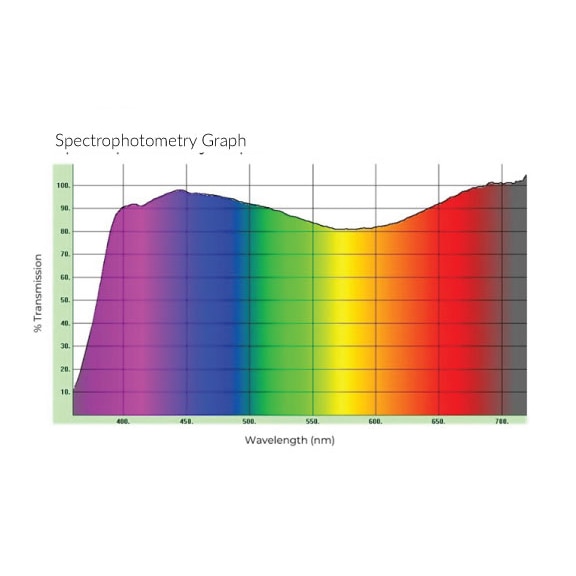
E-15 Blue
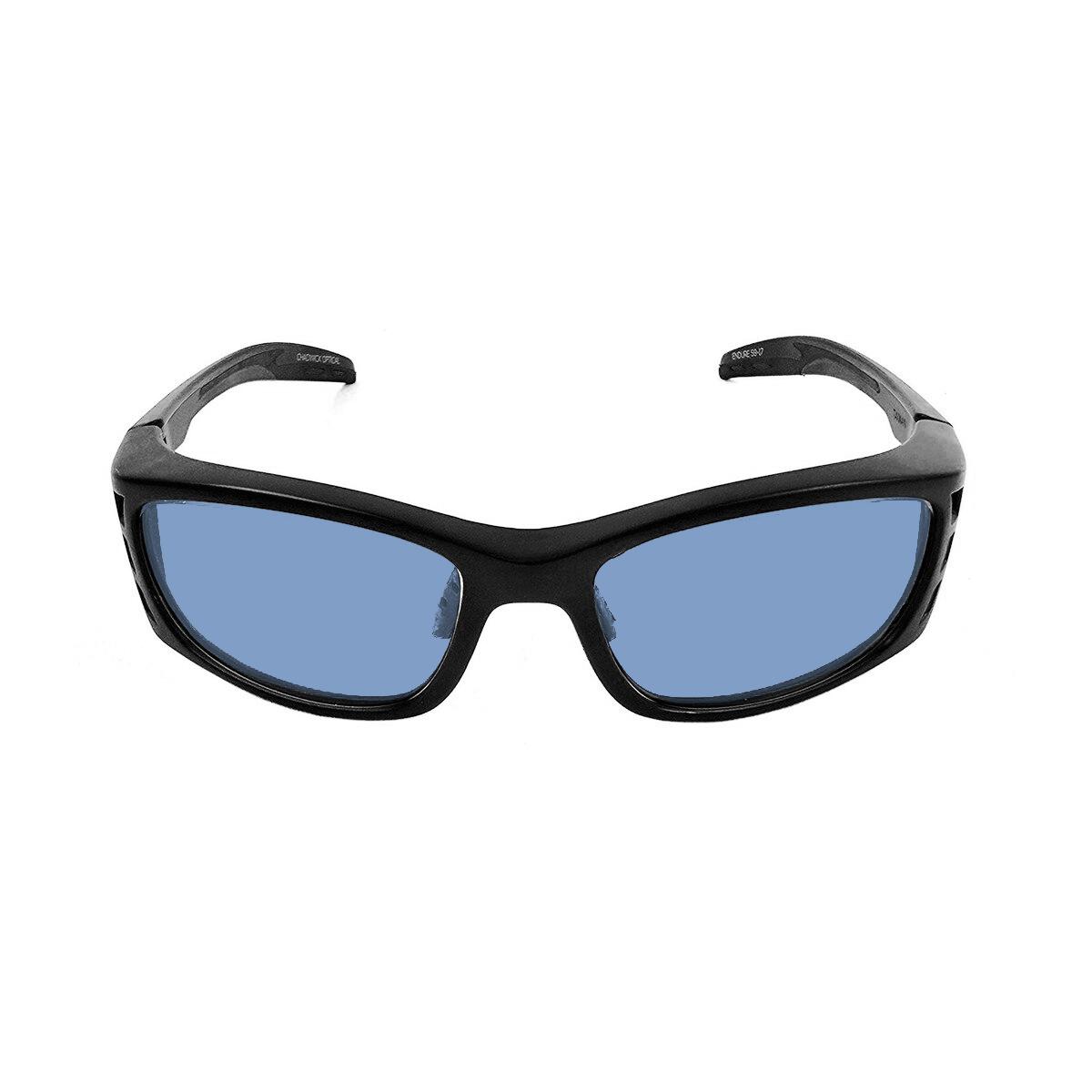
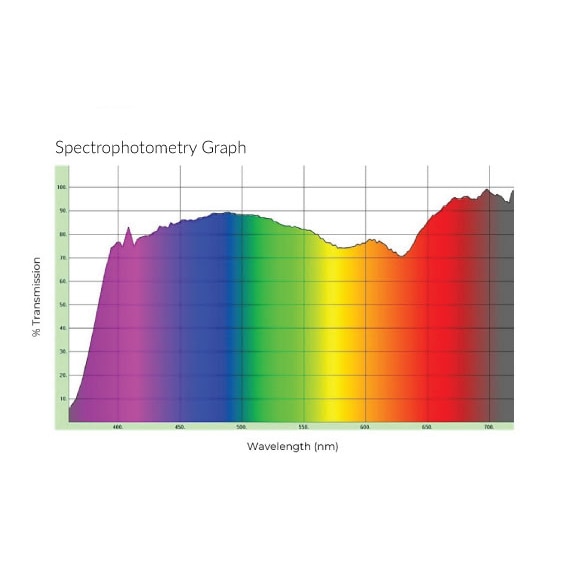
Large-scale anecdotal evidence based on Chadwick’s experience tinting 10,000s of E blue shades suggests these tints are highly suited for relief from migraine, concussion, brain injury symptoms. We’ve found E blues to be especially popular with Veteran Affair TBI centers and have worked closely with VA doctors to confirm their efficacy in minimizing patient symptoms.
E-30 Blue
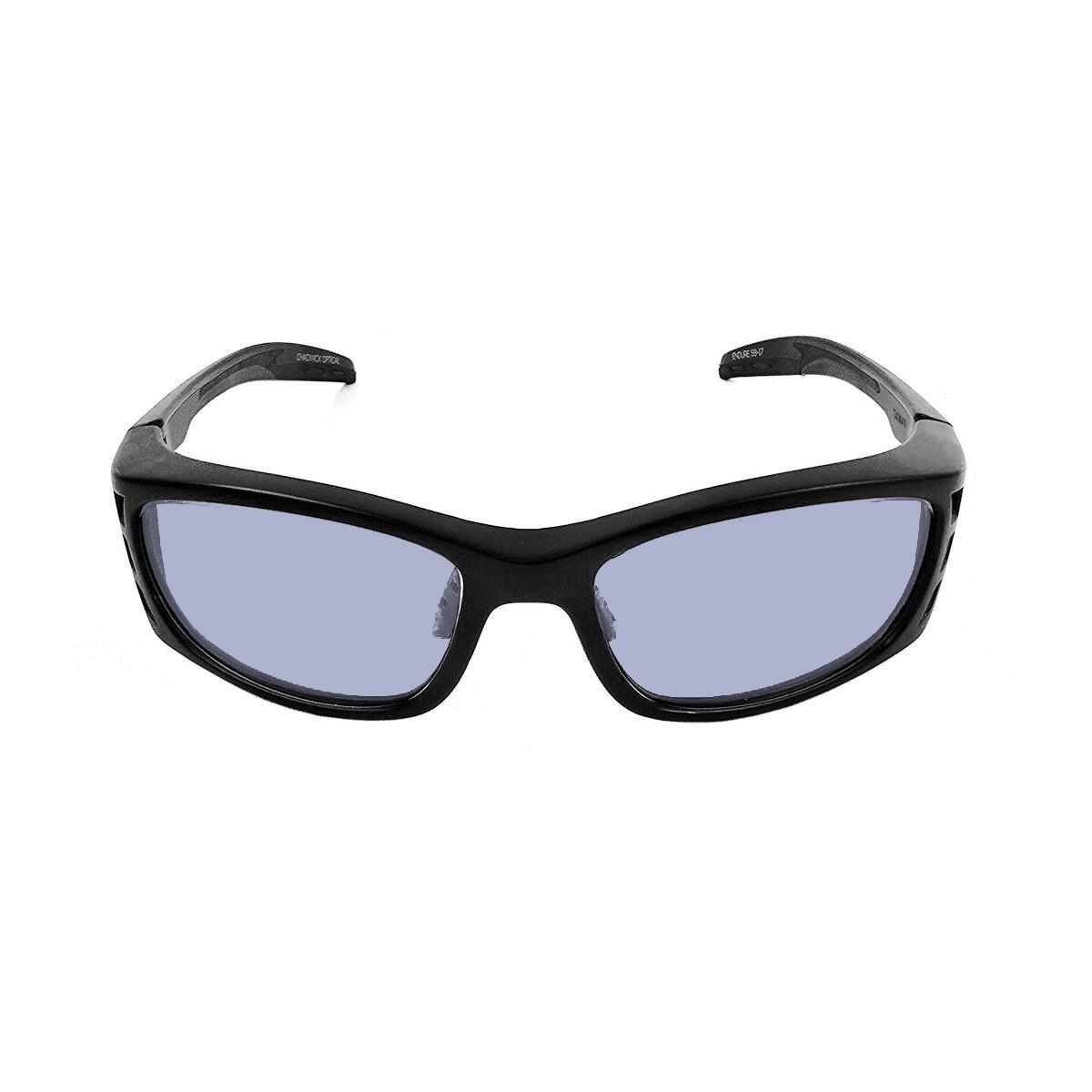
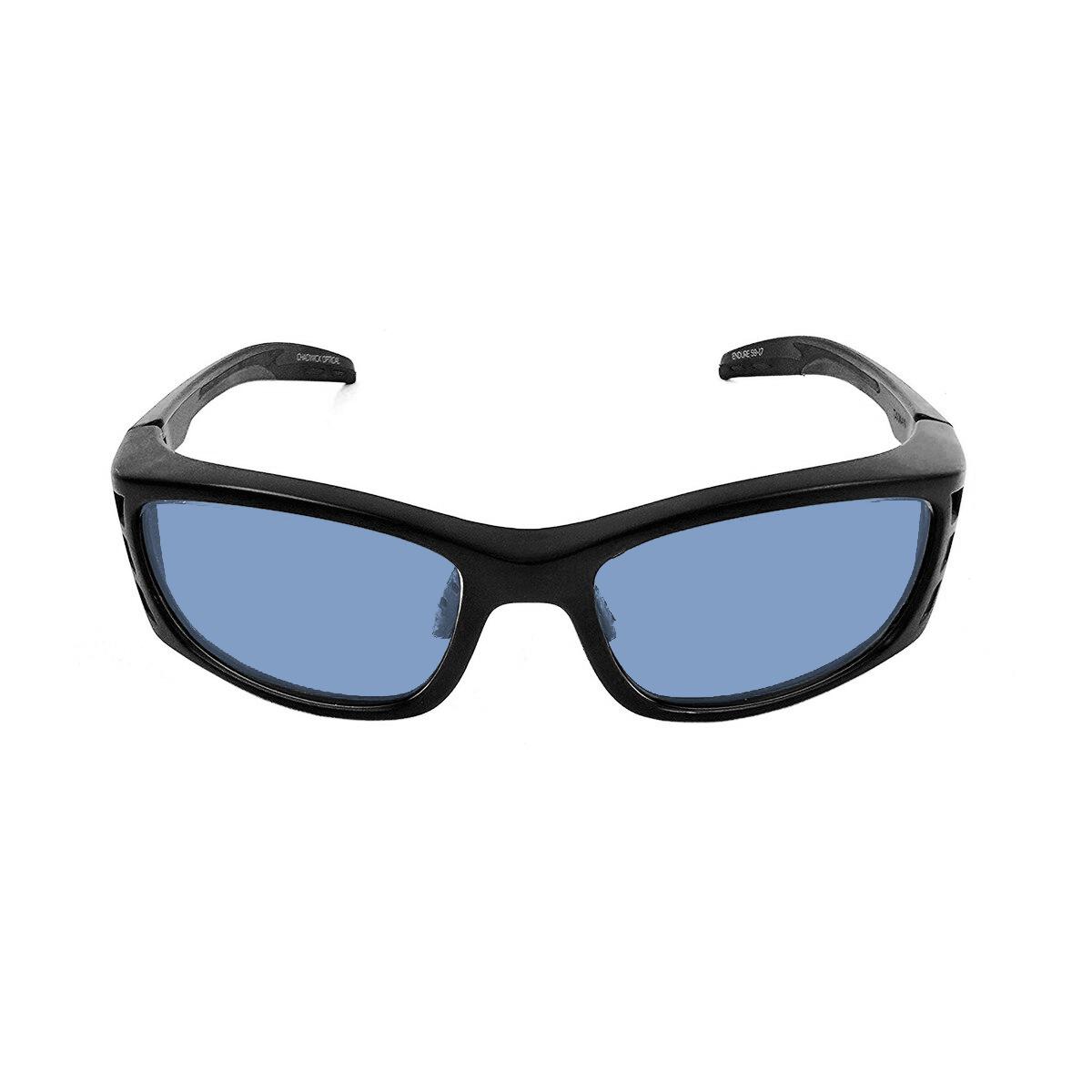
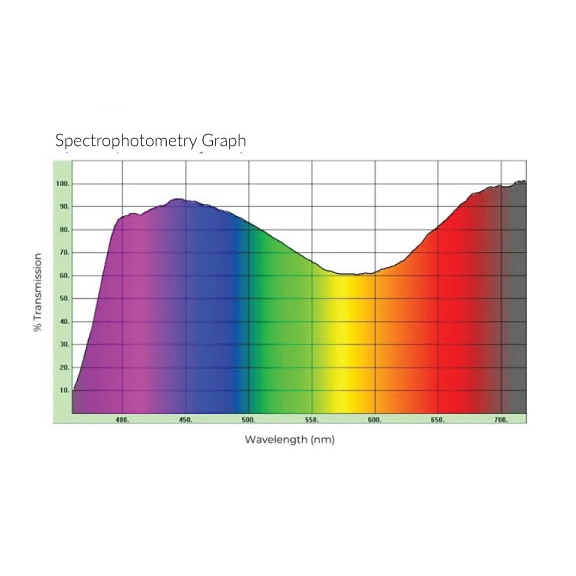
Large-scale anecdotal evidence based on Chadwick’s experience tinting 10,000s of E blue shades suggests these tints are highly suited for relief from migraine, concussion, brain injury symptoms. We’ve found E blues to be especially popular with Veteran Affair TBI centers and have worked closely with VA doctors to confirm their efficacy in minimizing patient symptoms.
E-50 Blue
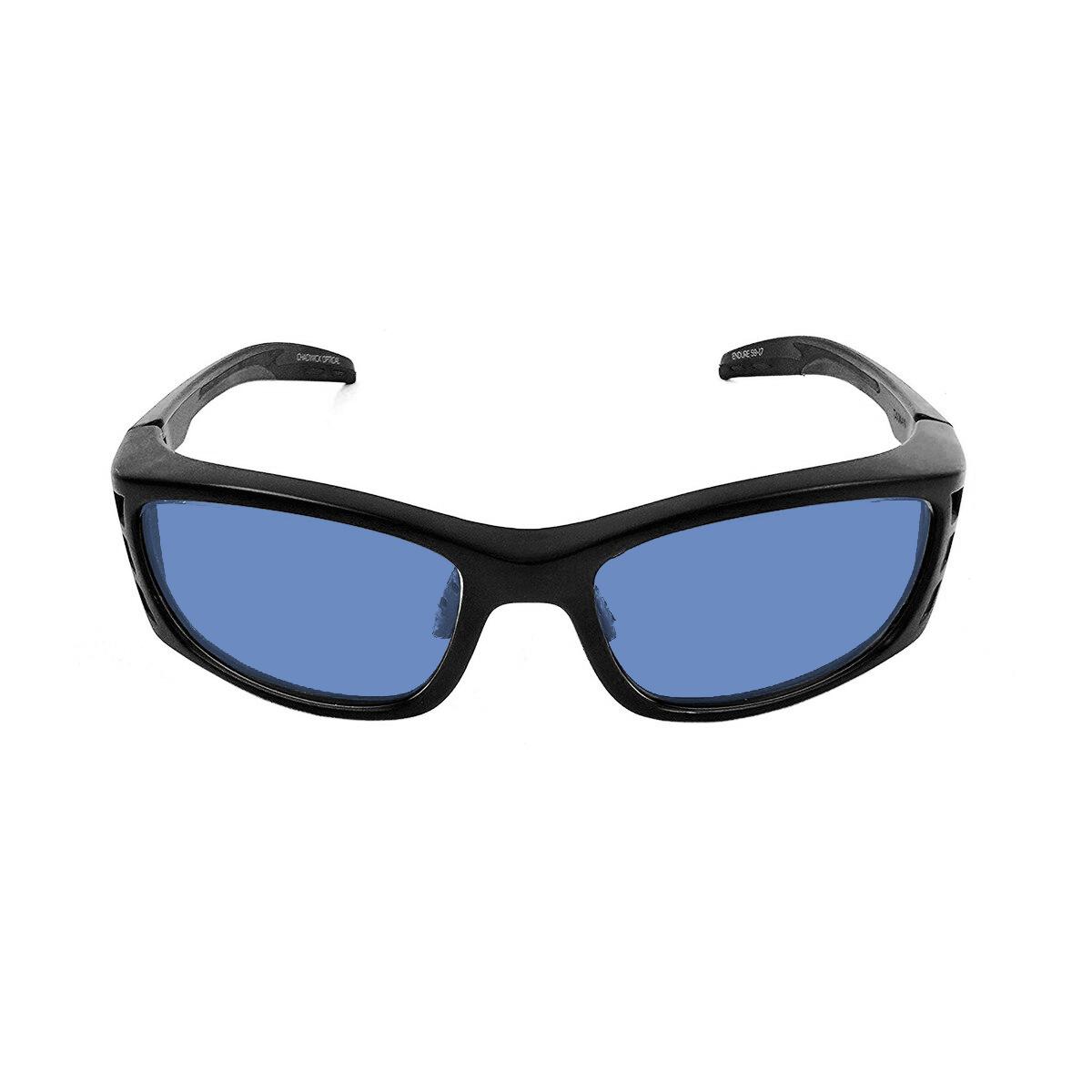
Large-scale anecdotal evidence based on Chadwick’s experience tinting 10,000s of E blue shades suggests these tints are highly suited for relief from migraine, concussion, brain injury symptoms. We’ve found E blues to be especially popular with Veteran Affair TBI centers and have worked closely with VA doctors to confirm their efficacy in minimizing patient symptoms.
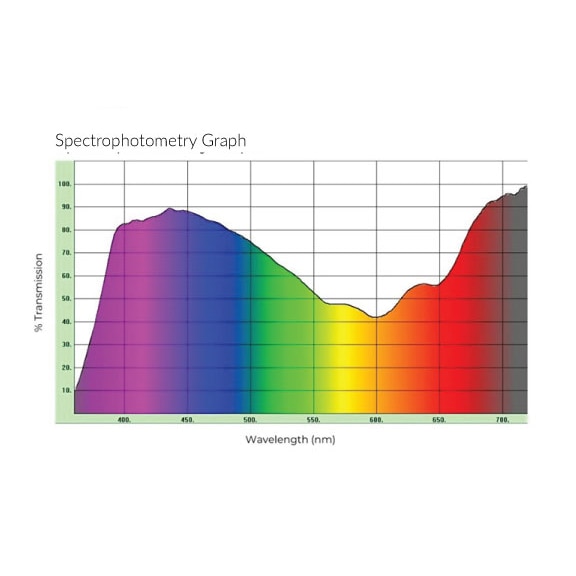
Z Blue
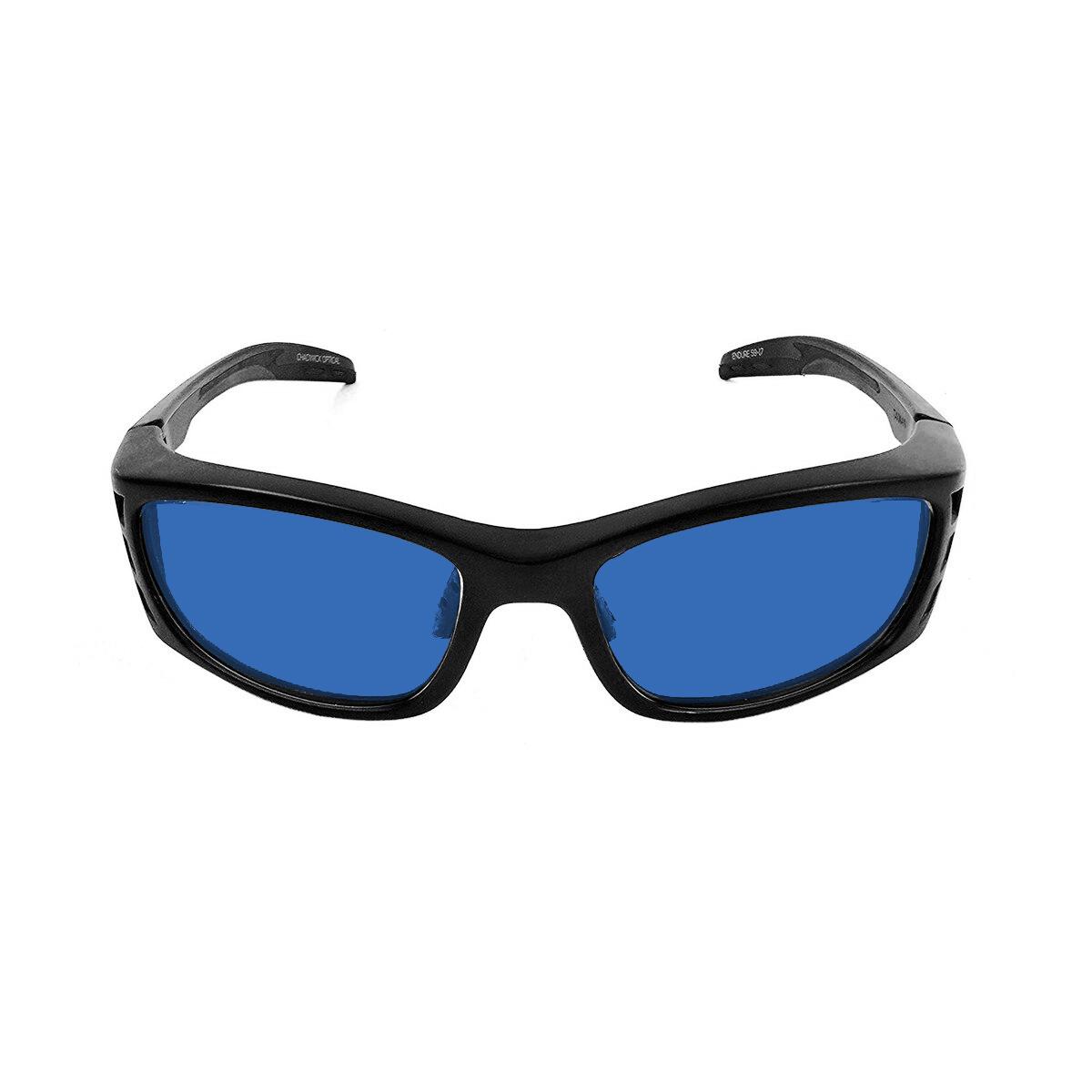
Also known as z1 Blue or NoIR 26, this highly specialized lens suppresses the brain activity triggered by flickering or intense light in highly photosensitive patients. By filtering the specific wavelengths known to trigger seuizures, it provides a vital layer of protection for patients with epilepsy. A 2006 Italian study found that the Z Blue lens effectively controlled symptoms in over 93% of participants.
NoIR 88
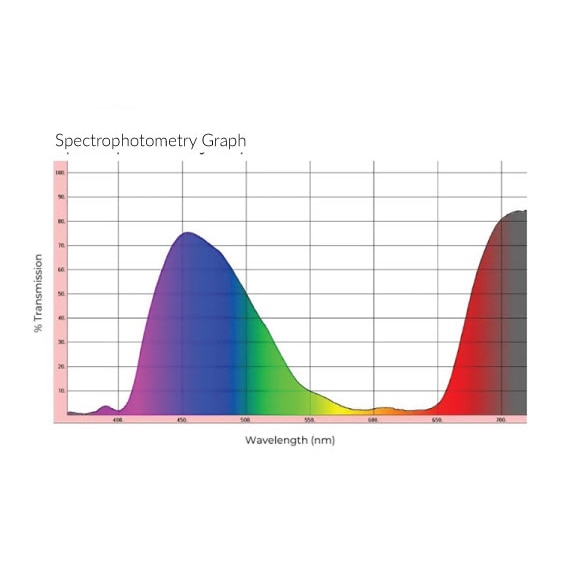
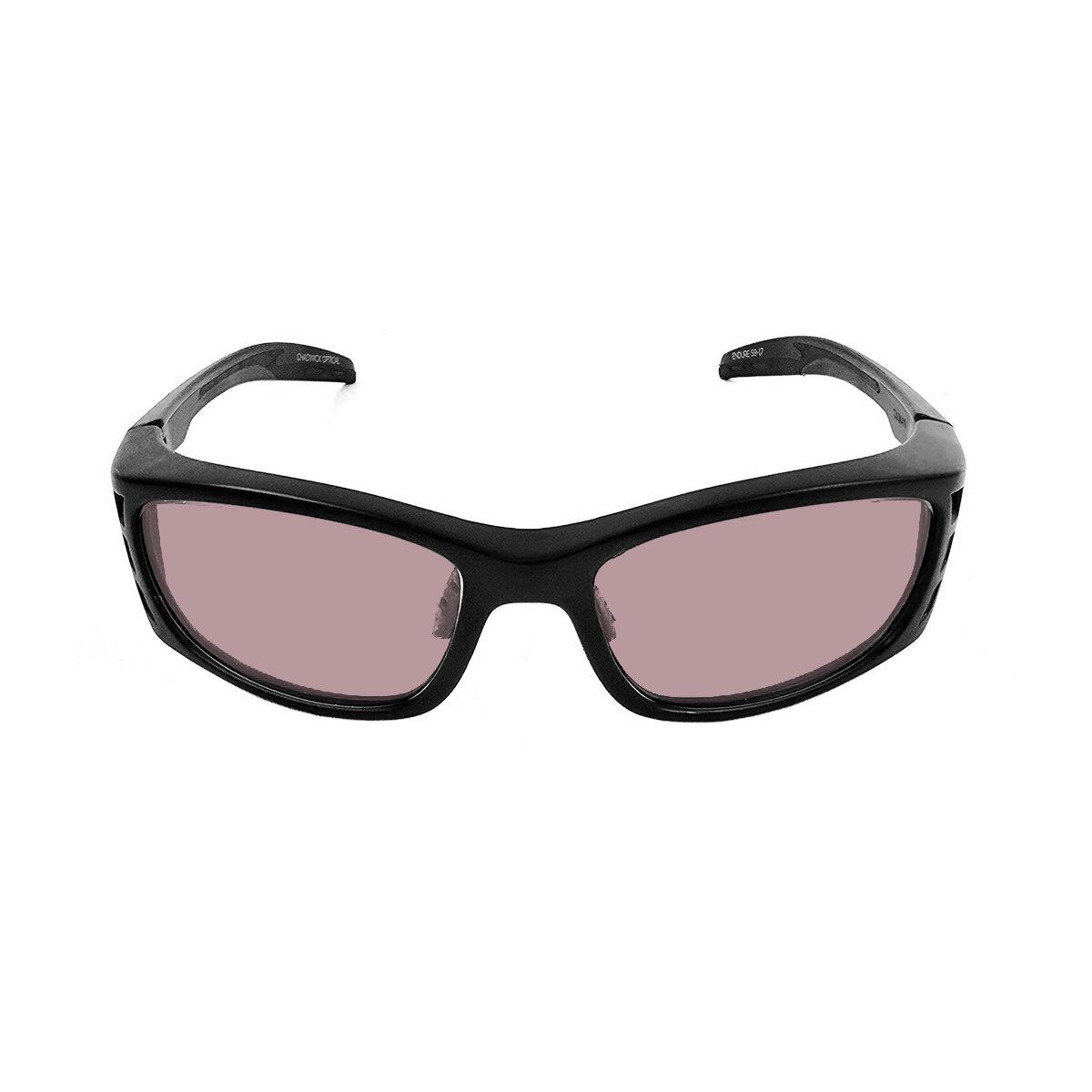
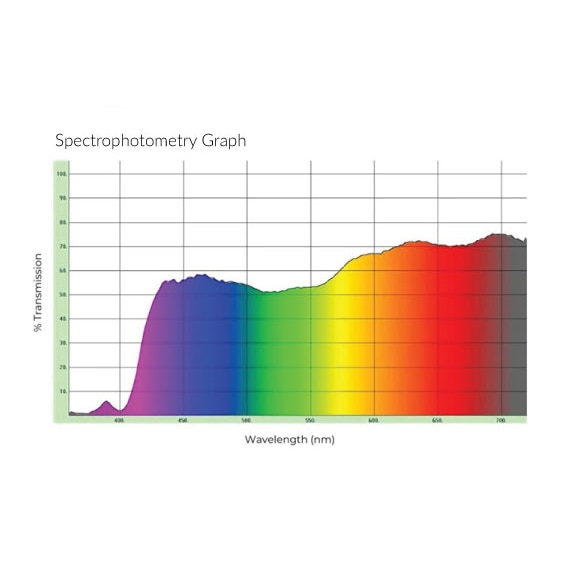
Spectrographically matched to Axon’s FL-41 filters, NoIR 88 is a soft plum tint designed to block the harsh blue-green wavelengths emitted by fluorescent lights and digital screens. It is ideal for continuous indoor use, providing relief from mild glare and screen-induced eye strain without overly darkening the wearer's vision.
NoIR 81
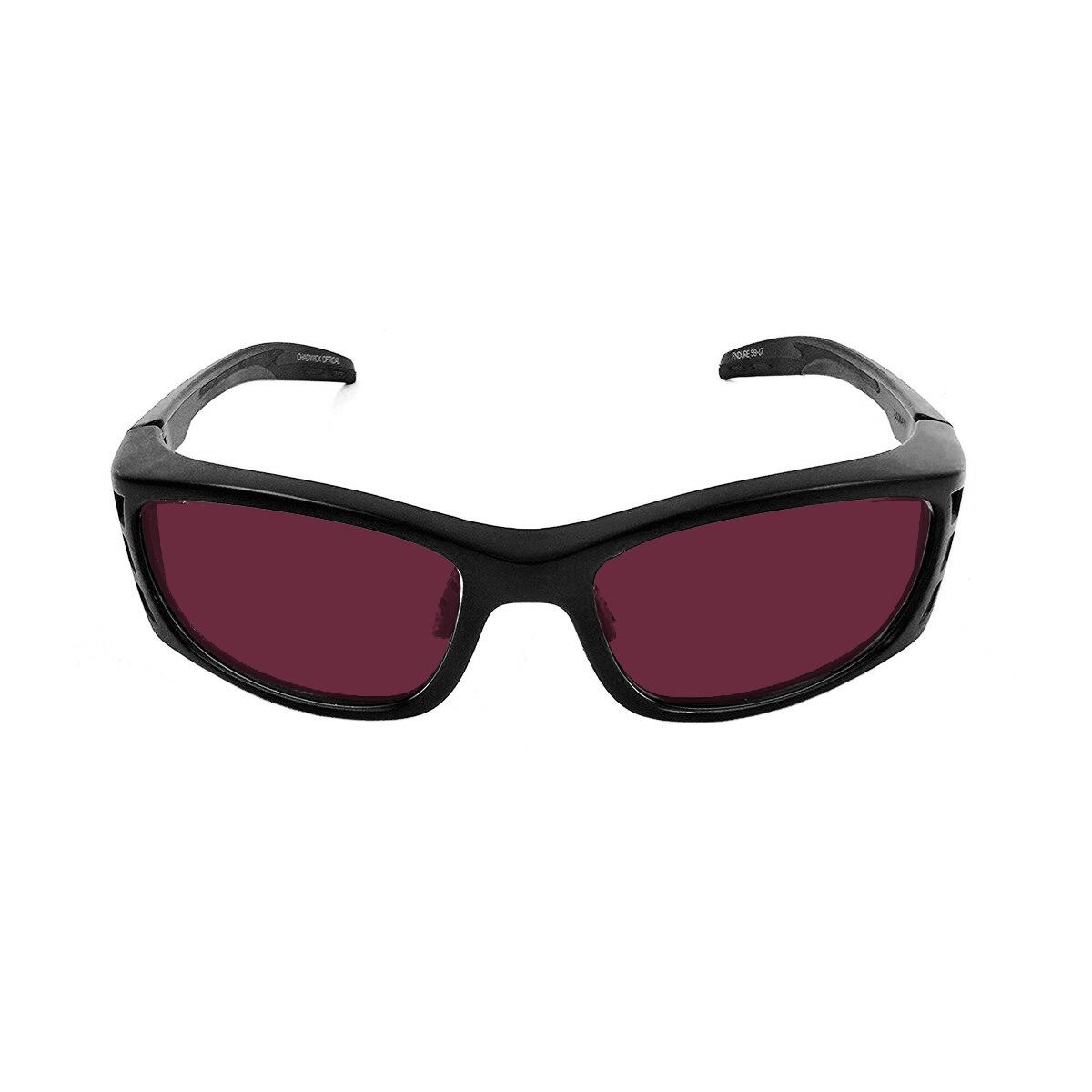
Tailored for pronounced sensitivity to artificial lighting, this plum lens matches the protective profile of Axon’s FL-41 filters with a slightly deeper tint. It effectively reduces painful glare from overhead commercial lighting in places like supermarkets and offices to help prevent migraine onset and ease chronic photophobia.
COI Plum
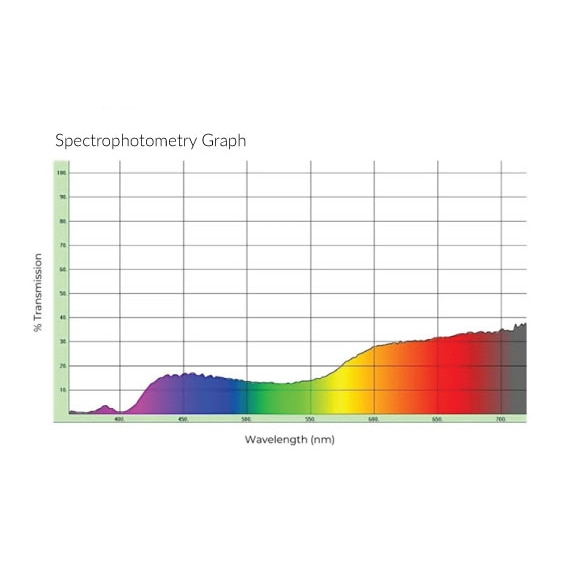
Serving as a versatile middle-ground, this moderate plum shade strictly adheres to FL-41 standards to combat severe light sensitivity in mixed-use environments. It provides a robust shield against both natural and artificial glare, making it highly effective for individuals suffering from chronic migraines or post-concussion syndrome.
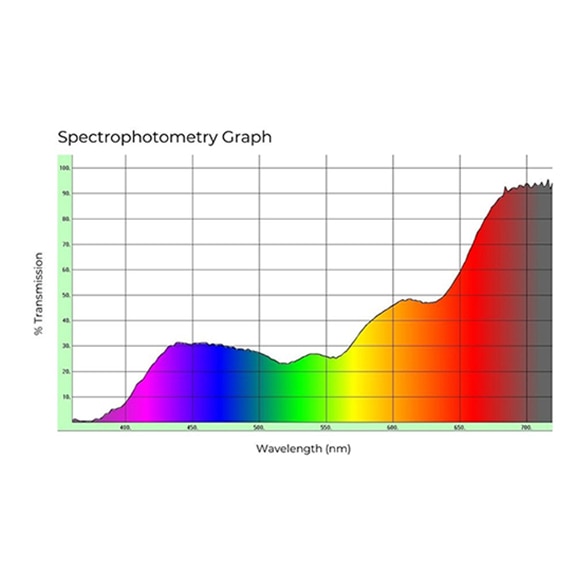
FL-41 27%
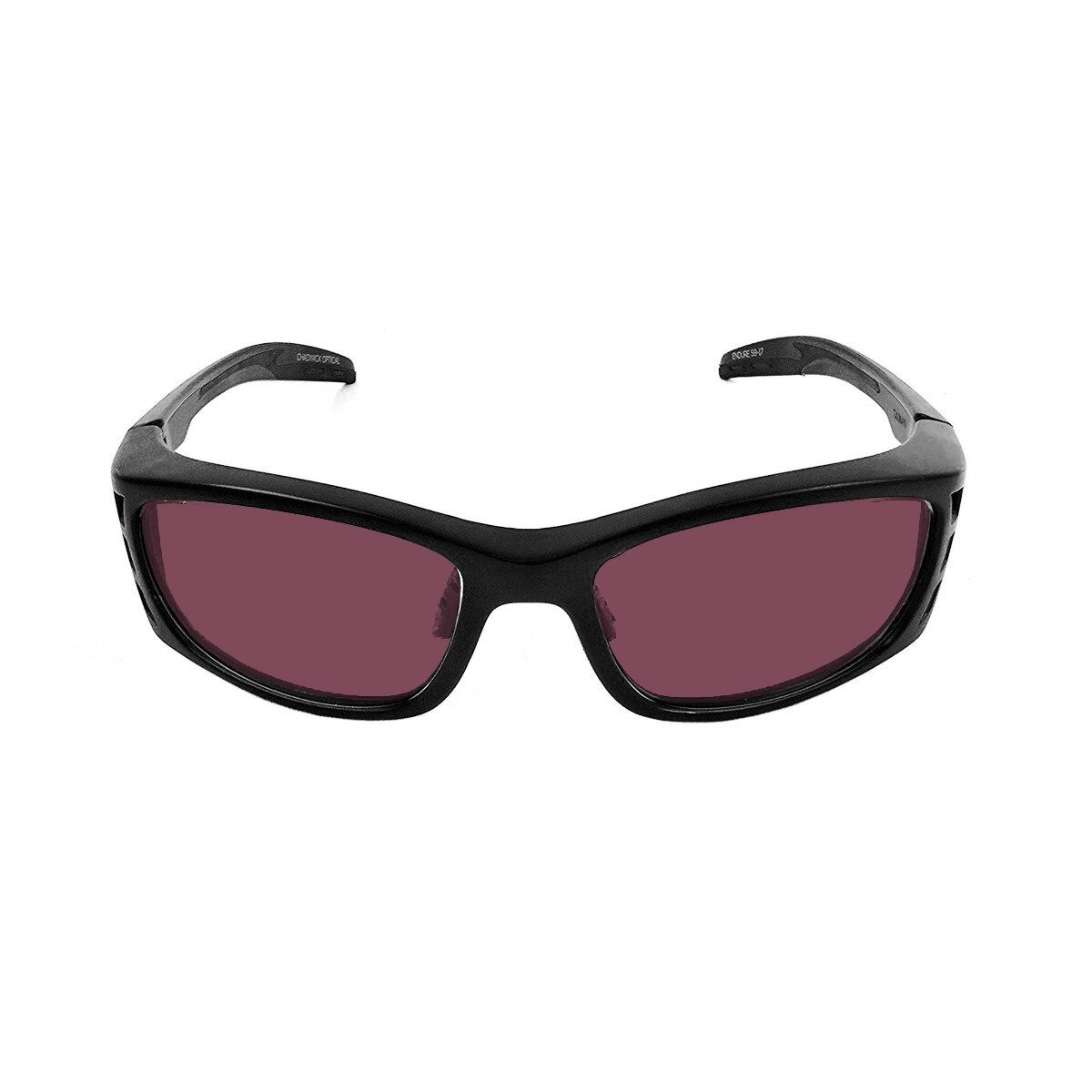
FL-41 has been shown to reduce the symptoms of migraines and blepharospasms in controlled clinical trials. Our rose tints are closest spectrographically to TheraSpecs’ interpretation of FL-41.
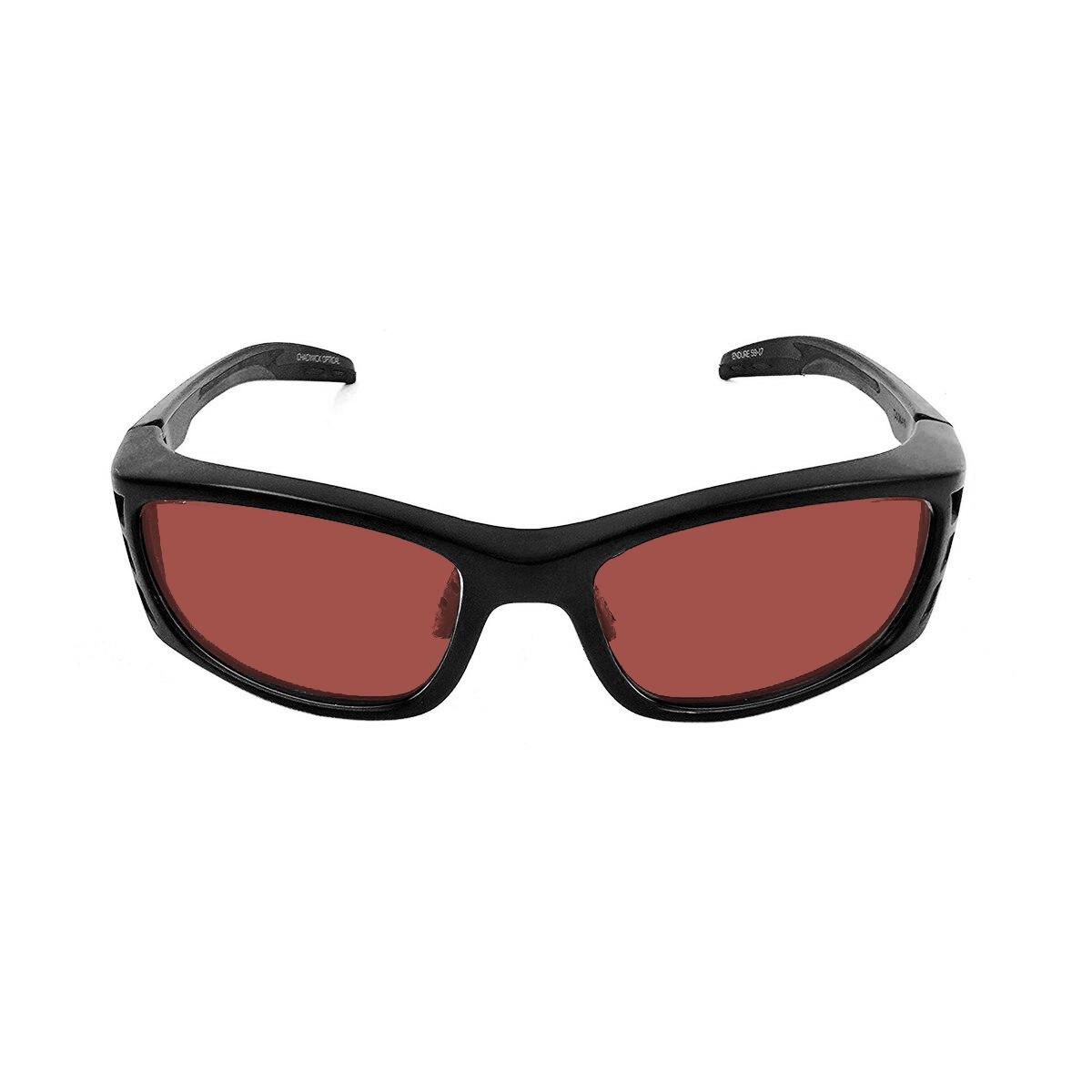
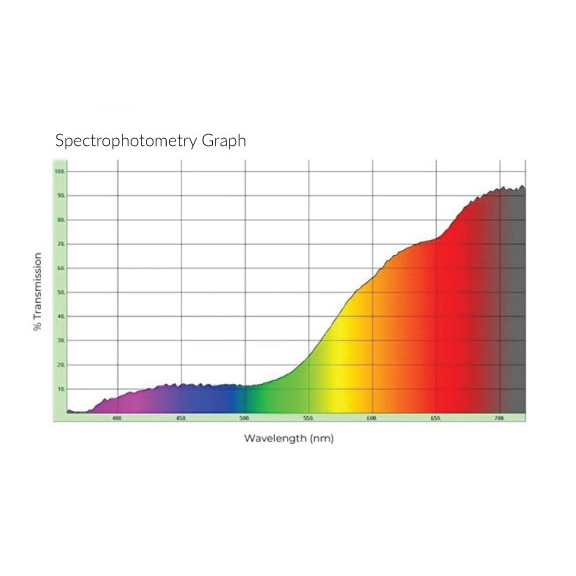
FL-41 50%
FL-41 has been shown to reduce the symptoms of migraines and blepharospasms in controlled clinical trials. Our rose tints are closest spectrographically to TheraSpecs’ interpretation of FL-41.
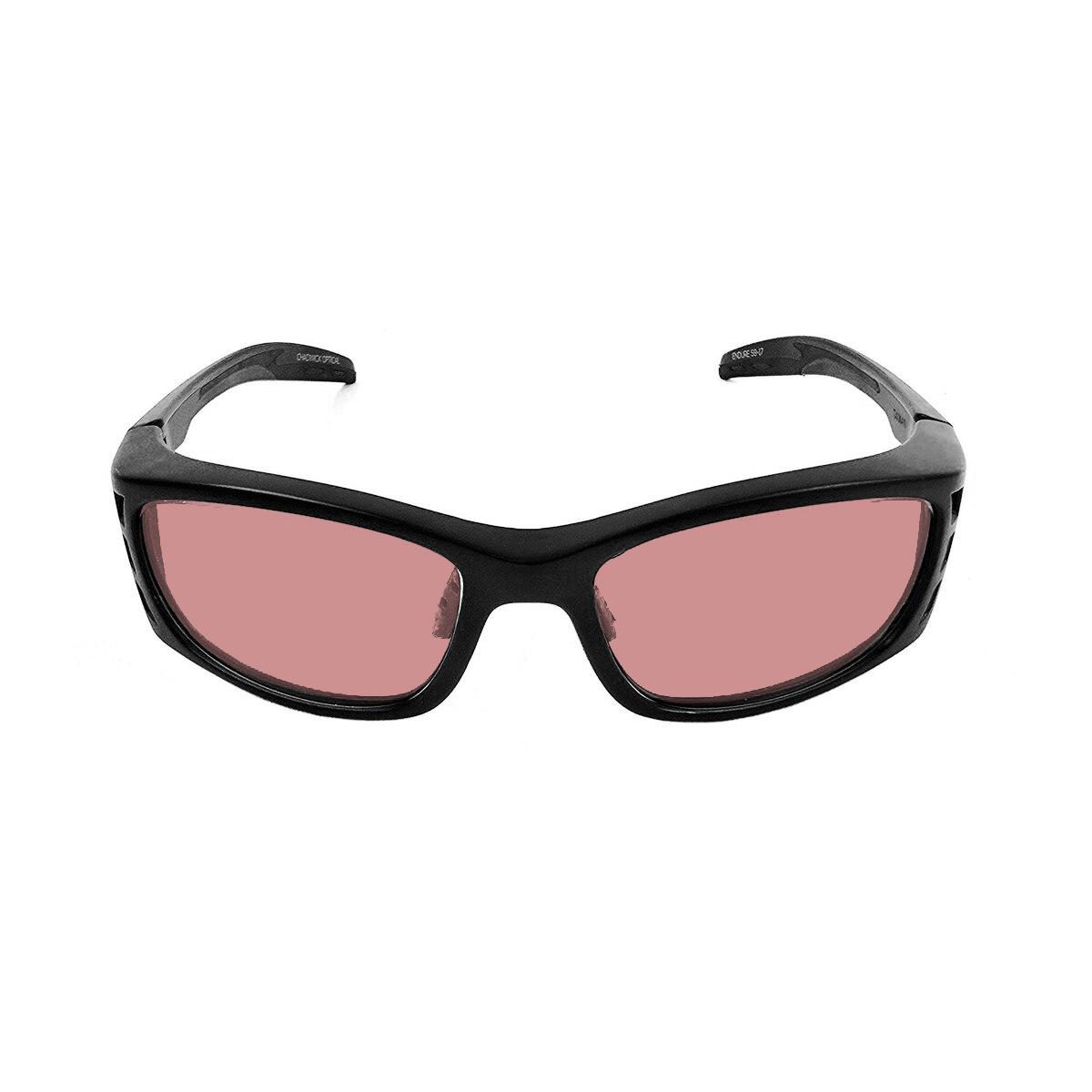
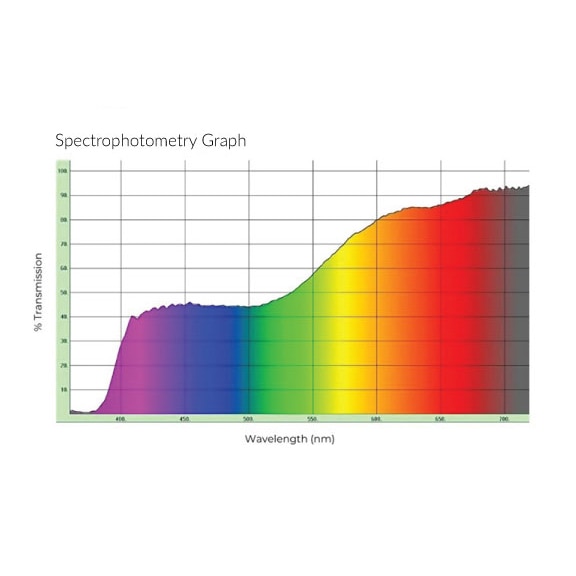
FL-41 75%
FL-41 has been shown to reduce the symptoms of migraines and blepharospasms in controlled clinical trials. Our rose tints are closest spectrographically to TheraSpecs’ interpretation of FL-41.